Cart
0
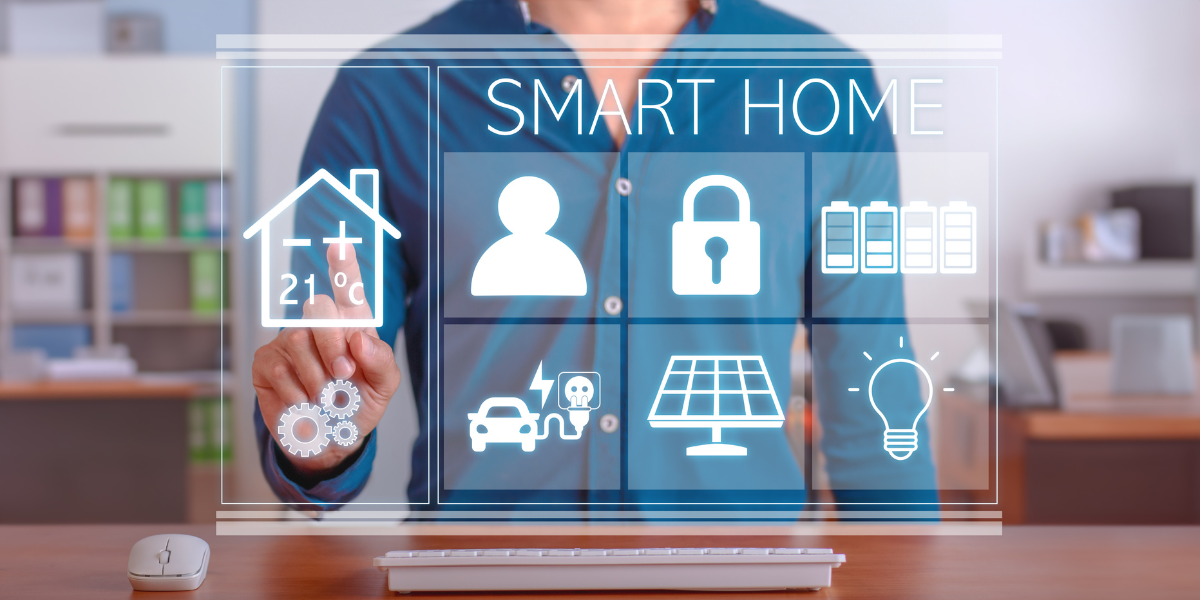
Smart home automation has transformed the way people interact with their homes, making everyday living more convenient, secure, and energy-efficient. What once seemed like futuristic technology is now accessible to homeowners of all budgets and lifestyles. From controlling lights with your voice to monitoring your front door from anywhere in the world, smart home automation allows multiple devices to work together seamlessly to simplify daily routines. Whether you're looking to improve home security, reduce energy consumption, or simply enjoy greater comfort, smart home technology offers practical solutions that fit modern living.
If you're new to the world of smart homes, the variety of available devices and technologies can seem overwhelming. However, getting started doesn't require advanced technical knowledge or a large investment. By understanding the basics of smart home automation, choosing compatible devices, and expanding your system gradually, you can build a connected home that meets your needs today while remaining flexible for future upgrades.
What Is Smart Home Automation?
Smart home automation is the process of connecting household devices to a central network, allowing them to communicate with one another and be controlled remotely through smartphones, tablets, voice assistants, or automated routines. Instead of manually operating each device, homeowners can create schedules, automation rules, and custom scenes that perform multiple actions automatically.
For example, when you leave home, your smart system can automatically lock the doors, turn off unnecessary lights, activate security cameras, arm the alarm system, and adjust the thermostat to save energy. When you return home, those same devices can respond by unlocking the door, turning on selected lights, and restoring comfortable temperature settings.
This intelligent coordination improves convenience while reducing the need for repetitive daily tasks.
How Smart Home Automation Works
At the heart of every smart home is a network of connected devices that communicate through Wi-Fi, Bluetooth, Zigbee, Z-Wave, Matter, or Thread. These communication technologies allow devices from different manufacturers to exchange information and respond to commands.
Most smart devices are managed through dedicated mobile applications or centralized smart home platforms. Users can monitor device status, adjust settings, receive notifications, and create automation routines from virtually anywhere with an internet connection.
Voice assistants such as Amazon Alexa, Google Assistant, and Apple Siri further simplify operation by allowing homeowners to control compatible devices using natural voice commands instead of mobile apps.
Benefits of Smart Home Automation
One of the biggest reasons homeowners adopt smart home automation is convenience. Everyday activities that once required manual effort can now happen automatically. Lights turn on when someone enters a room, doors lock after everyone leaves, and security cameras begin recording when motion is detected.
Automation also improves home security. Smart locks, video doorbells, cameras, smoke detectors, and environmental sensors continuously monitor your property and immediately notify you if unusual activity occurs.
Energy efficiency is another major advantage. Smart thermostats, lighting systems, and appliances operate only when needed, helping homeowners reduce electricity consumption and lower monthly utility bills.
In addition, automation provides peace of mind by allowing homeowners to monitor and control their property remotely while traveling or working away from home.
Essential Smart Home Devices for Beginners
Starting a smart home doesn't require purchasing dozens of devices at once. Many homeowners begin with a few essential products that provide immediate benefits.
Smart bulbs allow remote lighting control, scheduling, and energy savings. Smart plugs transform ordinary appliances into connected devices by enabling remote power control.
Video doorbells provide live video, motion detection, and two-way communication with visitors. Smart door locks eliminate the need for physical keys while allowing secure remote access.
Indoor and outdoor security cameras monitor your property continuously and provide instant alerts when activity is detected.
Smoke detectors, gas leak sensors, and water leak sensors help protect both your family and your home by identifying potential hazards before they become serious emergencies.
As your needs grow, additional devices can easily be integrated into the system.
Understanding Smart Home Hubs
While many smart devices connect directly to Wi-Fi, larger smart home systems often benefit from a central smart home hub. A hub acts as the communication center that connects devices using different wireless technologies into one unified platform.
Using a hub improves reliability, simplifies automation, and allows devices from multiple manufacturers to work together more effectively.
Many modern ecosystems now support Matter, an industry standard designed to improve compatibility between smart home products from different brands, making future expansion much easier.
Smart Lighting Automation
Lighting is often the first area homeowners automate because it offers immediate convenience and energy savings.
Smart bulbs and smart wall switches allow users to adjust brightness, change colors, schedule operation, and control lighting remotely using smartphones or voice commands.
Automation routines can turn lights on at sunset, gradually brighten bedrooms in the morning, or switch off lights automatically when rooms become unoccupied.
Smart lighting also improves home security by creating the appearance that someone is home while you're traveling.
Smart Security and Surveillance
Home security remains one of the most popular reasons people invest in smart home automation. Connected security devices provide continuous monitoring while allowing homeowners to respond quickly to unexpected events.
Video doorbells notify you whenever someone approaches your entrance. Smart cameras monitor indoor and outdoor spaces while providing live video and recorded footage.
Smart locks allow remote locking, unlocking, and visitor management. Motion sensor lights illuminate dark areas whenever movement is detected, discouraging potential intruders.
Alarm systems integrate these devices into one comprehensive security network that sends real-time alerts directly to your smartphone.
Voice Control and Automation
Voice assistants have made smart home technology easier than ever to use. Instead of opening multiple applications, homeowners simply speak commands to control compatible devices.
Common voice commands include turning lights on or off, locking doors, adjusting thermostats, viewing security camera feeds, or activating customized automation routines.
For example, saying "Good Night" might automatically lock every door, arm the security system, switch off downstairs lights, and lower the thermostat without touching a single device.
This hands-free operation increases convenience while making smart homes accessible to users of all ages.
Creating Smart Home Routines
Automation becomes truly powerful when devices work together through customized routines.
Morning routines may gradually brighten bedroom lights, start the coffee maker, adjust the thermostat, and display weather information.
Leaving home routines can ensure every door is locked, cameras begin recording, alarms activate, unnecessary lights switch off, and selected appliances disconnect from power.
Vacation routines simulate occupancy by randomly controlling lights while monitoring doors, cameras, and sensors for unusual activity.
These automated sequences eliminate repetitive daily tasks while improving both convenience and security.
Protecting Your Privacy and Security
Since smart home devices connect to the internet, cybersecurity should always be a priority. Choosing products from trusted manufacturers helps ensure devices receive regular firmware updates and strong encryption.
Homeowners should create strong passwords, enable two-factor authentication whenever available, and regularly update device software to maintain maximum protection.
Separating smart home devices onto a dedicated Wi-Fi network can provide an additional layer of security while reducing potential vulnerabilities.
Responsible management of user permissions and cloud storage settings further protects personal information and recorded video footage.
Tips for Building Your First Smart Home
Beginners should avoid trying to automate every aspect of their home immediately. Starting with a few carefully selected devices allows you to become comfortable with the technology before expanding.
Choose products that are compatible with your preferred smart home ecosystem and support future integration with additional devices.
Prioritize devices that provide the greatest daily value, such as smart lighting, security cameras, video doorbells, and smart locks.
Reliable internet coverage is also essential because consistent connectivity improves overall performance and responsiveness.
Finally, purchase high-quality devices from reputable retailers that provide dependable customer support and long-term software updates.
The Future of Smart Home Automation
Artificial intelligence continues to make smart homes even more intelligent. Future systems will better understand homeowner preferences, automatically optimize energy usage, improve facial recognition, enhance voice interaction, and provide more predictive automation based on daily routines.
Matter compatibility will further simplify device integration, allowing homeowners greater flexibility when choosing products from different manufacturers.
As technology continues evolving, smart homes will become even safer, more efficient, and easier to manage than ever before.
Final Thoughts
Smart home automation is no longer a luxury reserved for technology enthusiasts—it has become a practical solution for improving everyday life. By connecting security devices, lighting, locks, sensors, and other smart products into one intelligent ecosystem, homeowners can enjoy greater convenience, enhanced security, improved energy efficiency, and complete control over their homes from anywhere in the world.
At Smarthonics, we are dedicated to helping homeowners embrace the future of connected living with reliable smart home technology. From smart door locks and video doorbells to security cameras, motion sensor lights, smart bulbs, and home alarm systems, our carefully selected collection offers everything you need to build a smarter, safer, and more efficient home. Whether you're taking your first step into home automation or expanding an existing smart home, the right technology can transform the way you live for years to come.