Cart
0
Lighting is one of the most important elements of every home. It influences comfort, productivity, security, and even mood. For decades, traditional lighting systems required homeowners to manually switch lights on and off, offering little flexibility or control. Today, smart lighting technology has completely transformed the way people illuminate their homes. Smart bulbs and smart wall switches provide intelligent control, automation, energy efficiency, and seamless integration with other smart home devices, making everyday living more convenient than ever before.
As smart home technology continues to evolve in 2026, homeowners are increasingly replacing conventional lighting with connected systems that can be controlled remotely, automated through schedules, and customized to fit their lifestyles. Whether you're looking to improve home security, reduce electricity costs, create personalized lighting scenes, or simply enjoy greater convenience, smart lighting offers practical solutions for every room in your home. Smart bulbs and smart wall switches are no longer luxury gadgets—they have become essential components of a modern, connected home.
What Is Smart Lighting?
Smart lighting refers to internet-connected lighting systems that allow homeowners to control lights using smartphones, tablets, voice assistants, or automated routines. Instead of relying solely on traditional wall switches, users can manage lighting remotely from virtually anywhere with an internet connection.
Smart lighting systems include devices such as smart LED bulbs, smart wall switches, dimmers, and lighting controllers. These devices communicate through technologies like Wi-Fi, Zigbee, Z-Wave, Bluetooth, Matter, or Thread, allowing them to integrate with other smart home products.
The result is a lighting system that automatically adapts to your schedule, preferences, and daily activities while improving both comfort and energy efficiency.
Understanding Smart Bulbs
Smart bulbs are LED light bulbs equipped with wireless communication technology. They can be installed in many existing light fixtures without changing the home's electrical wiring, making them one of the easiest smart home upgrades.
Unlike traditional bulbs, smart bulbs offer far more than simple on-and-off functionality. Homeowners can adjust brightness levels, change color temperatures, select millions of colors on compatible models, create lighting schedules, and control lights remotely through mobile applications.
Many smart bulbs also support voice control through Amazon Alexa, Google Assistant, and Apple Siri, allowing users to manage lighting with simple spoken commands.
Because they consume significantly less electricity than incandescent bulbs while lasting much longer, smart LED bulbs provide both environmental and financial benefits.
Understanding Smart Wall Switches
Smart wall switches replace traditional electrical switches while maintaining familiar operation. Unlike smart bulbs, which control individual lights, smart switches often control entire lighting circuits, making them especially useful for rooms with multiple fixtures.
Homeowners can continue using the physical switch while also gaining remote access through smartphones or voice assistants. Even if someone manually turns lights on or off, the smart functionality remains available.
Smart wall switches are ideal for kitchens, living rooms, hallways, garages, and outdoor lighting where multiple fixtures operate together.
Many models also include programmable timers, dimming capabilities, energy monitoring, and compatibility with motion sensors for additional automation.
Convenience Through Remote Control
One of the greatest advantages of smart lighting is the ability to control lights from anywhere.
Imagine leaving home and wondering whether you forgot to turn off the kitchen lights. Instead of driving back, simply open your smartphone app and switch them off remotely.
Similarly, homeowners can illuminate their homes before arriving after dark, making entrances safer and more welcoming. Travelers can also control lighting while away, creating the appearance that someone is home and discouraging potential intruders.
Remote control provides convenience that traditional lighting systems simply cannot match.
Voice Control Makes Everyday Living Easier
Voice assistants have become an important part of modern smart homes, and lighting is one of their most useful applications.
Instead of reaching for switches or opening mobile apps, homeowners can simply say commands like, "Turn on the living room lights," "Dim the bedroom lights to 30 percent," or "Turn off all lights."
Hands-free operation is especially helpful when carrying groceries, cooking, caring for children, or assisting elderly family members.
Voice control also improves accessibility for individuals with mobility limitations, allowing them to manage lighting effortlessly.
Energy Efficiency and Lower Electricity Bills
One of the biggest reasons homeowners upgrade to smart lighting is improved energy efficiency.
Traditional lights are often left on unnecessarily, wasting electricity throughout the day. Smart bulbs and smart wall switches reduce this waste through automation, scheduling, occupancy detection, and remote control.
LED smart bulbs consume significantly less energy than incandescent or halogen bulbs while producing comparable or even greater brightness. Many models last up to 25,000 hours or more, reducing replacement frequency and long-term maintenance costs.
Scheduling features automatically switch lights off when they're no longer needed, further reducing electricity consumption and monthly utility bills.
Smart Lighting Improves Home Security
Lighting plays an essential role in protecting homes.
A well-lit property discourages criminal activity because intruders generally prefer dark environments where they are less likely to be noticed.
Smart lighting enhances security by automatically turning lights on at sunset, activating outdoor lighting when motion is detected, or simulating occupancy while homeowners are traveling.
When integrated with security cameras, video doorbells, and motion sensors, smart lighting creates an intelligent response system.
For example, if someone approaches the front door at night, outdoor lights can automatically illuminate while cameras begin recording and smartphone notifications alert the homeowner.
This coordinated automation strengthens home security without requiring manual intervention.
Creating Personalized Lighting Scenes
Smart lighting allows homeowners to customize lighting for different activities throughout the day.
A "Morning" scene may gradually brighten bedroom lights to create a natural wake-up experience.
A "Movie Night" scene can dim living room lighting for a comfortable entertainment environment.
A "Dinner" scene may provide warm, relaxing illumination, while a "Work" scene increases brightness for improved concentration.
Some smart bulbs even allow homeowners to choose from millions of colors to match holidays, celebrations, parties, or personal preferences.
Personalized lighting creates more enjoyable living spaces while improving comfort and productivity.
Automation Simplifies Daily Life
Automation is one of the most powerful features of smart lighting.
Instead of manually controlling lights throughout the day, homeowners can create routines that operate automatically.
Lights can switch on before sunrise, illuminate pathways after sunset, or turn off automatically when everyone leaves the house.
Motion sensors further enhance automation by activating lights only when movement is detected, improving both convenience and energy efficiency.
Vacation mode allows lighting schedules to vary slightly each evening, making the home appear occupied while the family is away.
These intelligent routines eliminate repetitive tasks while creating a more responsive home environment.
Integration with Smart Home Ecosystems
Smart lighting becomes even more valuable when integrated with other smart home devices.
Smart bulbs and wall switches work seamlessly alongside smart locks, video doorbells, indoor cameras, outdoor cameras, alarm systems, smoke detectors, and voice assistants.
For example, unlocking your smart door lock after work can automatically turn on hallway and kitchen lights.
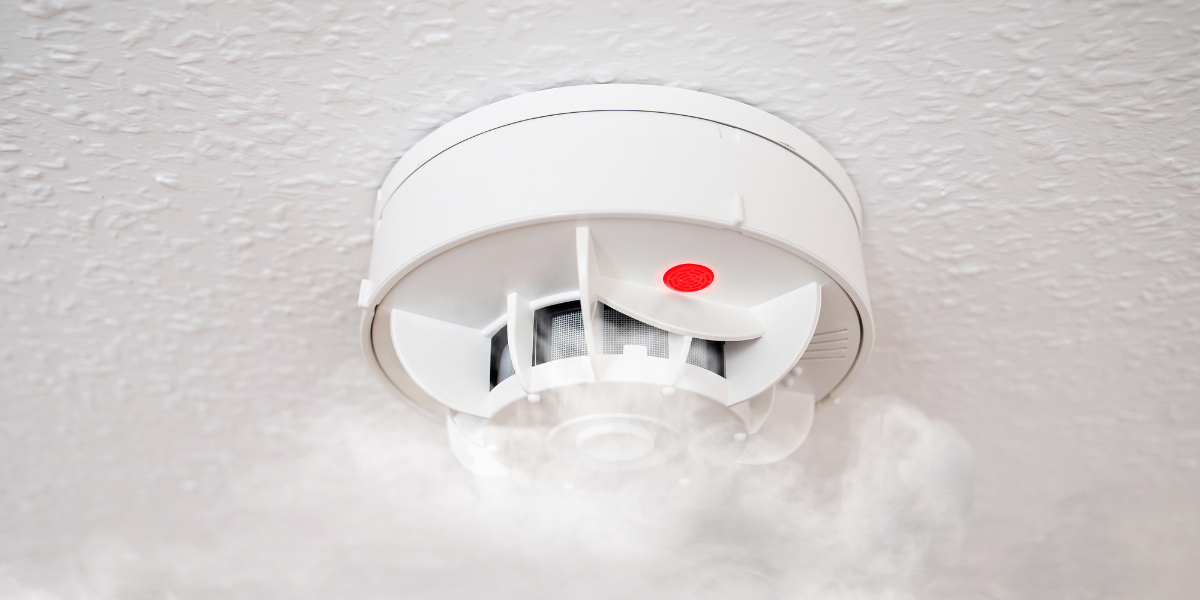
If smoke is detected, emergency lighting can illuminate evacuation routes.
Motion sensors can activate garage lights as vehicles arrive, while bedtime routines can switch off every light in the house with a single command.
This connected ecosystem provides greater convenience while improving overall home functionality.
Choosing Between Smart Bulbs and Smart Wall Switches
Both smart bulbs and smart wall switches offer valuable benefits, but choosing the right solution depends on your needs.
Smart bulbs are ideal for renters, table lamps, decorative lighting, and homeowners seeking color-changing features. They require minimal installation and are easy to replace.
Smart wall switches are better suited for permanently controlling ceiling fixtures, outdoor lighting, and rooms with multiple lights connected to one switch.
Many homeowners combine both solutions to maximize flexibility throughout the home.
Selecting compatible products ensures smooth integration and long-term expandability.
Installation and Maintenance
Most smart bulbs install exactly like standard LED bulbs. After installation, users simply connect them to the manufacturer's mobile app and home network.
Smart wall switches require replacing existing electrical switches. While many homeowners choose professional installation, experienced DIY users can often install compatible models by following electrical safety guidelines.
Maintenance is minimal. Smart LED bulbs typically last many years, while manufacturers regularly provide firmware updates that improve performance, security, and compatibility.
Keeping devices updated and maintaining reliable Wi-Fi coverage ensures consistent operation.
The Future of Smart Lighting
Smart lighting technology continues advancing rapidly.
Artificial intelligence is making lighting systems more responsive by learning homeowner preferences and automatically adjusting brightness based on occupancy, weather conditions, and time of day.
Improved energy monitoring, enhanced voice recognition, adaptive circadian lighting, and Matter compatibility will further simplify installation while improving interoperability between different brands.
Future lighting systems will continue becoming smarter, more efficient, and more personalized, making connected lighting an essential feature of every modern home.
Final Thoughts
Smart bulbs and smart wall switches are transforming the way homeowners experience lighting by combining convenience, automation, energy efficiency, security, and personalized control into one intelligent system. Whether you're creating relaxing living spaces, improving home security, lowering electricity bills, or building a fully connected smart home, smart lighting provides practical benefits that enhance everyday life.
At Smarthonics, we are committed to helping homeowners embrace the future of smart living with premium lighting solutions designed for reliability, performance, and ease of use. Our carefully selected collection of smart bulbs and smart wall switches offers advanced features, seamless smart home integration, and dependable quality to help you create a brighter, safer, and more energy-efficient home. By upgrading to intelligent lighting today, you can enjoy greater comfort, improved security, and lasting value for years to come.