Cart
0
Home security has become more advanced than ever, thanks to the rapid evolution of smart surveillance technology. Modern security cameras not only help deter crime but also allow homeowners to monitor their property in real time from virtually anywhere. However, one of the most common questions homeowners face when building a smart security system is whether they need indoor security cameras, outdoor security cameras, or both. While these two types of cameras may appear similar at first glance, they are specifically designed for different environments and purposes.
Choosing the right camera for each area of your home is essential for maximizing security, improving convenience, and protecting your investment. Indoor cameras focus on monitoring activity inside your home, while outdoor cameras are built to withstand harsh weather conditions and secure the perimeter of your property. Understanding their differences, strengths, and ideal applications will help you create a comprehensive security system that keeps your family and belongings safe throughout the year.
Understanding Indoor Security Cameras
Indoor security cameras are designed specifically for monitoring the inside of your home. Their primary purpose is to help homeowners keep an eye on family members, pets, children, elderly relatives, and valuable belongings while providing additional protection against unauthorized entry.
Unlike outdoor cameras, indoor models are typically compact, lightweight, and designed to blend naturally into home interiors. They often feature sleek, modern designs that complement living rooms, bedrooms, kitchens, offices, and hallways without drawing unnecessary attention.
Most indoor cameras connect to your home's Wi-Fi network and allow users to stream live video, review recordings, receive motion alerts, and communicate using two-way audio directly through a smartphone application.
Understanding Outdoor Security Cameras
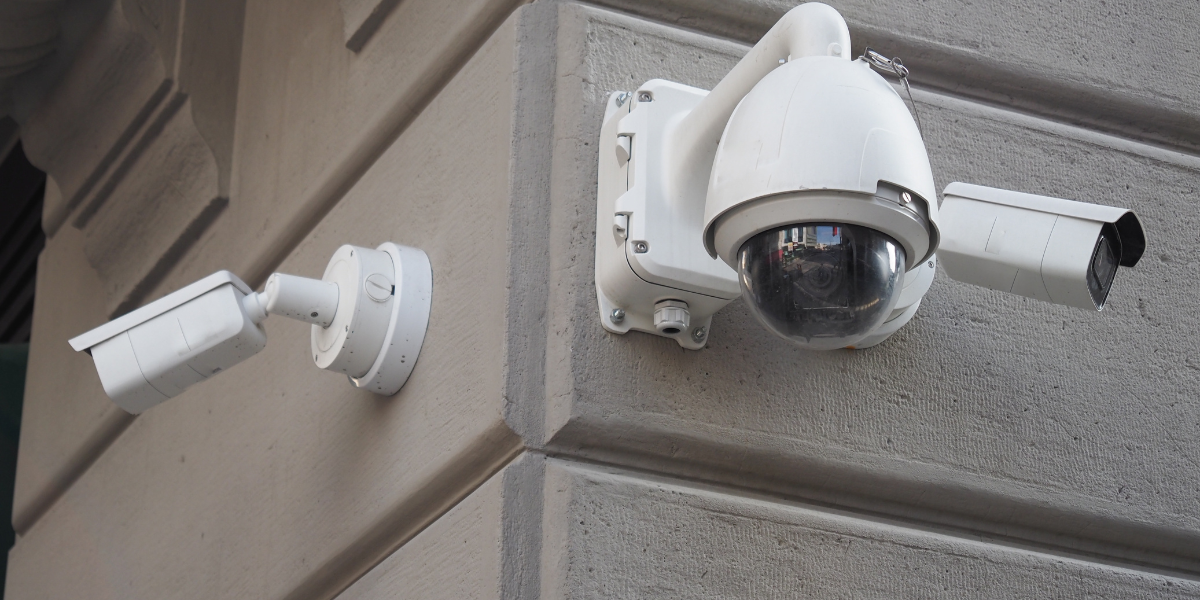
Outdoor security cameras are engineered to monitor the exterior of your home while withstanding environmental challenges such as rain, snow, heat, humidity, dust, and strong sunlight. They serve as your property's first line of defense by monitoring entrances, driveways, garages, backyards, fences, patios, and walkways.
Unlike indoor models, outdoor cameras feature weather-resistant housings, stronger mounting systems, and enhanced durability. Many include infrared night vision, built-in spotlights, sirens, and wider viewing angles to maximize coverage across larger outdoor spaces.
Their visible presence alone often discourages criminal activity, making them one of the most effective deterrents against theft and vandalism.
Key Differences Between Indoor and Outdoor Cameras
Although both camera types perform surveillance, several important differences separate them.
Indoor cameras prioritize convenience, compact design, and interior monitoring. They generally operate in controlled environments where weather protection is unnecessary. Many include privacy features that allow homeowners to disable recording while family members are present.
Outdoor cameras focus on durability, weather resistance, and long-range monitoring. Their housings are sealed against moisture and dust, while stronger infrared LEDs improve nighttime visibility. They are also designed to resist temperature extremes that would damage standard indoor cameras.
Because outdoor cameras often monitor larger spaces, they typically offer wider fields of view, higher brightness tolerance, and longer detection ranges.
Benefits of Indoor Security Cameras
Indoor security cameras provide homeowners with peace of mind throughout the day. Parents can monitor children after school, check on elderly relatives, or observe pets while away from home.
Many indoor cameras feature intelligent motion detection that immediately sends alerts whenever movement is detected. Two-way audio enables homeowners to communicate directly with family members, comfort pets, or even discourage unauthorized individuals inside the house.
Some advanced models include facial recognition, activity zones, AI-powered human detection, and automatic privacy modes that disable recording whenever trusted household members are present.
These features make indoor cameras valuable not only for security but also for everyday household management.
Benefits of Outdoor Security Cameras
Outdoor cameras extend your security beyond the walls of your home. By monitoring driveways, front entrances, backyards, and side gates, they help detect suspicious activity before someone reaches your door.
Modern outdoor cameras record high-definition video with excellent night vision, ensuring clear visibility regardless of lighting conditions. Many include floodlights that automatically illuminate dark areas whenever motion is detected, making it more difficult for intruders to approach unnoticed.
Built-in sirens and voice warnings provide additional deterrence by alerting trespassers that they are being recorded. These proactive features often prevent incidents before they escalate.
Best Locations for Indoor Cameras
Proper camera placement significantly improves security coverage. Living rooms provide excellent visibility of main gathering areas and entryways. Hallways help monitor movement between rooms, while home offices protect valuable electronics and sensitive documents.
Nurseries and children's bedrooms benefit from cameras that allow parents to monitor infants or young children remotely. Kitchens and family rooms also offer strategic coverage because they often connect multiple parts of the home.
Avoid placing cameras in bathrooms or other areas where privacy should always be respected.
Best Locations for Outdoor Cameras
Outdoor camera placement should focus on vulnerable access points around your property. The front door remains one of the most important locations because it experiences the highest volume of visitor traffic.
Driveways allow homeowners to monitor arriving vehicles, while garages protect valuable equipment and parked cars. Backyard cameras secure patios, swimming pools, fences, and rear entrances that may be less visible from neighboring homes.
Installing cameras high enough to prevent tampering while maintaining clear viewing angles ensures optimal surveillance coverage.
Video Quality and Night Vision
Image quality is one of the most important factors when choosing any security camera. Both indoor and outdoor models now offer Full HD, 2K, and even 4K video resolution for improved clarity.
Outdoor cameras generally feature stronger infrared night vision because they must monitor larger, darker spaces. Some premium models also include full-color night vision using integrated spotlights.
Indoor cameras typically require less powerful night vision due to controlled lighting environments, but they still provide clear images during nighttime or low-light conditions.
High-resolution video improves facial recognition, license plate visibility, and overall evidence quality if security incidents occur.
Smart Features That Improve Security
Today's security cameras include far more than simple video recording. Artificial intelligence has introduced advanced capabilities such as human detection, pet recognition, vehicle identification, package monitoring, facial recognition, and customizable activity zones.
Smart notifications reduce false alerts by distinguishing between people, animals, and moving objects like trees or vehicles. Cloud storage and local recording options allow homeowners to review footage anytime, while mobile applications provide instant access to live video feeds.
Many cameras also integrate seamlessly with smart door locks, alarm systems, video doorbells, motion sensor lights, and voice assistants, creating a complete smart home security ecosystem.
Installation Considerations
Indoor cameras are generally easier to install because they operate within climate-controlled environments. Many simply plug into electrical outlets and connect to Wi-Fi within minutes.
Outdoor cameras may require additional planning depending on power sources, mounting locations, weather exposure, and wireless signal strength. Battery-powered options simplify installation, while wired systems provide continuous operation without battery maintenance.
Regardless of installation type, choosing locations with strong Wi-Fi coverage ensures reliable performance and uninterrupted video streaming.
Do You Need Both Indoor and Outdoor Cameras?
For most homeowners, the answer is yes. Indoor and outdoor cameras serve different purposes and complement each other rather than compete.
Outdoor cameras help prevent unwanted visitors from approaching your property, while indoor cameras provide an additional layer of protection if someone gains entry. Together, they create complete visibility across your entire home.
For example, an outdoor camera may detect someone approaching your front door, while an indoor camera confirms whether anyone enters the home. This layered approach significantly improves overall security while providing comprehensive monitoring inside and outside your property.
Choosing the Right Security Camera for Your Needs
Before purchasing security cameras, evaluate your home's layout, security priorities, and budget. Smaller homes may require only a few strategically placed cameras, while larger properties often benefit from multiple indoor and outdoor units working together.
Look for cameras with reliable mobile applications, high-definition video quality, night vision, encrypted data transmission, weather resistance, cloud storage options, and compatibility with your existing smart home devices.
Investing in trusted products from reputable retailers ensures better reliability, stronger cybersecurity, regular software updates, and long-term customer support.
Final Thoughts
Indoor and outdoor security cameras each play an essential role in protecting modern homes. Indoor cameras provide visibility into everyday household activities, while outdoor cameras defend your property's perimeter against potential threats. Rather than choosing one over the other, combining both creates a comprehensive surveillance system that delivers greater security, convenience, and peace of mind.
At Smarthonics, we offer premium indoor and outdoor security cameras designed to meet the needs of today's smart homeowners. Whether you're monitoring your living room, protecting your driveway, securing your backyard, or building a complete smart home security system, our carefully selected camera solutions deliver dependable performance, advanced technology, and reliable protection. By choosing the right camera for every space, you can create a safer, smarter, and more connected home for years to come.