Cart
0
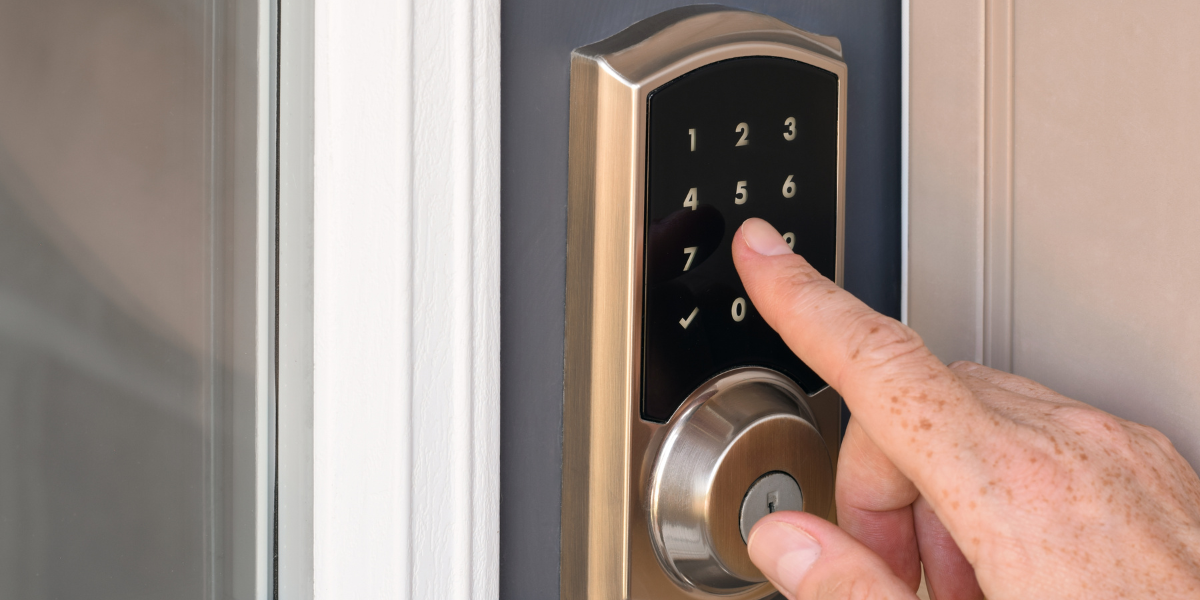
Choosing the right lock for your home is one of the most important decisions you can make to protect your family, valuables, and property. For decades, traditional mechanical locks have been the standard security solution for residential homes. However, advances in smart home technology have introduced smart door locks that offer convenience, remote access, and intelligent security features beyond what conventional locks can provide. As more homeowners embrace smart living in 2026, the debate between smart door locks and traditional locks has become increasingly relevant. Understanding the strengths, limitations, and security capabilities of each option can help you decide which type of lock best fits your needs.
Although both traditional and smart locks are designed to secure entry points, they operate very differently. Traditional locks rely on physical keys and mechanical components, while smart locks combine electronic technology, wireless connectivity, mobile applications, and multiple authentication methods. Each offers unique benefits, but when it comes to modern home protection, convenience, and overall control, smart door locks are changing the way homeowners think about security.
Understanding Traditional Door Locks
Traditional door locks have protected homes for generations using mechanical cylinders and physical keys. They are simple, reliable, and require no batteries, internet connection, or software updates. Deadbolt locks, in particular, remain one of the strongest physical barriers against forced entry when properly installed.
One of the biggest advantages of traditional locks is their simplicity. Since they operate mechanically, they continue functioning during power outages and require very little maintenance. Many homeowners appreciate their straightforward design because there is no learning curve involved. Simply insert the key, turn the lock, and the door is secured.
However, traditional locks also have several limitations. Keys can be lost, stolen, duplicated, or forgotten. If a key falls into the wrong hands, homeowners often need to replace the entire lock or have it rekeyed to maintain security. Additionally, traditional locks provide no way to monitor who enters or leaves the home, making them less suitable for today's connected lifestyles.
What Are Smart Door Locks?
Smart door locks are advanced electronic locking systems that replace or enhance traditional locks while offering multiple methods of secure access. Instead of relying only on physical keys, smart locks allow homeowners to unlock doors using smartphones, PIN codes, fingerprint recognition, NFC cards, Bluetooth, Wi-Fi, or voice assistants.
Most smart locks connect to mobile applications that provide complete control over your home's entry points. Homeowners can remotely lock or unlock doors, monitor activity, create temporary access codes, and receive instant notifications whenever someone enters or exits the property.
Many smart locks also integrate seamlessly with larger smart home ecosystems, allowing users to automate routines alongside security cameras, alarms, lighting, and other connected devices.
Security Comparison
When comparing protection levels, both lock types can provide strong physical security if built with high-quality materials. However, smart locks introduce additional layers of digital protection that traditional locks simply cannot offer.
Traditional locks protect only the physical door. Once someone possesses a working key, the lock provides no additional verification. Homeowners also have no way of knowing when the key was used or by whom.
Smart door locks require additional authentication beyond a physical key. Many models support biometric fingerprint recognition, encrypted mobile authentication, rotating PIN codes, and two-factor verification. These features significantly reduce unauthorized access while providing homeowners with detailed activity logs.
Additionally, many smart locks automatically lock doors after a predetermined period, eliminating one of the most common homeowner mistakes—forgetting to lock the front door.
Convenience and Accessibility
Convenience is one of the biggest reasons homeowners choose smart locks over traditional locks. Carrying physical keys is no longer necessary when your smartphone or fingerprint becomes your key.
Imagine arriving home with groceries while both hands are full. Instead of searching for keys, your smart lock can automatically unlock when it recognizes your smartphone or fingerprint. Family members no longer need spare keys because personalized access codes can be assigned to each individual.
Temporary access codes also make life easier for visitors, contractors, babysitters, dog walkers, or house cleaners. Rather than hiding spare keys under a doormat—a practice that compromises security—you can generate temporary digital codes that automatically expire after use.
Traditional locks simply cannot match this level of flexibility.
Remote Access and Monitoring
One feature that truly separates smart locks from conventional locks is remote management. Traditional locks only function when someone is physically present at the door.
Smart door locks allow homeowners to monitor and control their property from virtually anywhere. Forgot to lock the front door before leaving for vacation? Open the mobile app and lock it instantly.
Need to let a family member into the house while you're still at work? Unlock the door remotely with just a few taps.
Most smart locks also maintain detailed access histories showing exactly who entered the home and when. Parents can verify children arrived safely after school, while homeowners can monitor service providers without being present.
Integration with Smart Home Systems
Another major advantage of smart locks is their ability to communicate with other smart home devices. Integration creates automated security routines that improve both convenience and protection.
For example, unlocking the front door can automatically disarm the alarm system, turn on hallway lights, adjust the thermostat, and deactivate security cameras inside the home.
Similarly, locking the door when leaving can activate cameras, arm the security system, turn off unnecessary lights, and reduce heating or cooling usage to save energy.
Traditional locks operate independently and cannot participate in these intelligent home automation routines.
Reliability and Maintenance
Traditional locks are known for their long lifespan and dependable mechanical operation. Since they require no batteries or electronic components, maintenance is generally limited to occasional lubrication or replacing worn keys.
Smart locks require periodic battery replacement and occasional software updates to maintain performance and cybersecurity. Fortunately, most models notify homeowners well in advance when batteries become low. Many also include emergency backup options such as physical keys or USB emergency power connections to prevent accidental lockouts.
With proper maintenance, high-quality smart locks remain extremely reliable while offering significantly more functionality than conventional locks.
Cybersecurity Considerations
Some homeowners hesitate to adopt smart locks because they worry about cybersecurity. While internet-connected devices can theoretically become targets, reputable manufacturers invest heavily in encryption, secure authentication, firmware updates, and data protection.
Choosing products from trusted brands with regular software support dramatically reduces cybersecurity risks. Using strong passwords, enabling two-factor authentication, and keeping firmware updated further strengthens digital security.
Traditional locks avoid cybersecurity concerns entirely but remain vulnerable to physical threats such as lock picking, bump keys, copied keys, and unauthorized duplication.
Cost Comparison
Traditional locks generally cost less upfront than smart locks, making them attractive for homeowners seeking affordable security solutions. Installation is often straightforward and requires minimal setup.
Smart locks involve a higher initial investment due to advanced electronics and wireless connectivity. However, many homeowners find the additional cost worthwhile because of increased convenience, remote management, improved security, and integration with smart home systems.
When viewed as a long-term investment in both safety and convenience, smart locks often provide excellent value.
Which Lock Is Best for Your Home?
The best choice depends on your lifestyle, budget, and security needs. Traditional locks remain an excellent solution for homeowners who prefer simplicity, mechanical reliability, and lower costs.
However, homeowners looking for modern convenience, intelligent security, remote monitoring, customizable access, and seamless smart home integration will likely find smart door locks to be the superior option.
Many homeowners even combine both technologies by installing smart deadbolts with reinforced mechanical hardware to maximize both physical and digital security.
Final Thoughts
Both traditional locks and smart door locks offer valuable protection, but they serve different lifestyles and security expectations. Traditional locks continue to provide dependable mechanical security, while smart door locks introduce powerful features that make protecting your home easier than ever before. Remote access, real-time notifications, customizable permissions, automatic locking, and smart home integration provide security benefits that traditional locks simply cannot match.
At Smarthonics, we believe that home security should be both intelligent and convenient. Our premium collection of smart door locks is carefully selected to help homeowners enjoy advanced protection, reliable performance, and effortless control over their home's security. Whether you're upgrading from a traditional lock or building a fully connected smart home, investing in a high-quality smart door lock is one of the smartest decisions you can make to protect your family and your property in 2026 and beyond.